Say the word “cereal” here in the states, and most of us immediately think of breakfast. While these highly processed meals are hardly what we would call whole foods, breakfast cereals do take their name from cereal grains. This category of crops contains many of the most familiar pantry essentials like rice, corn, wheat and oats; as well as barley, rye, millet, sorghum, and others.
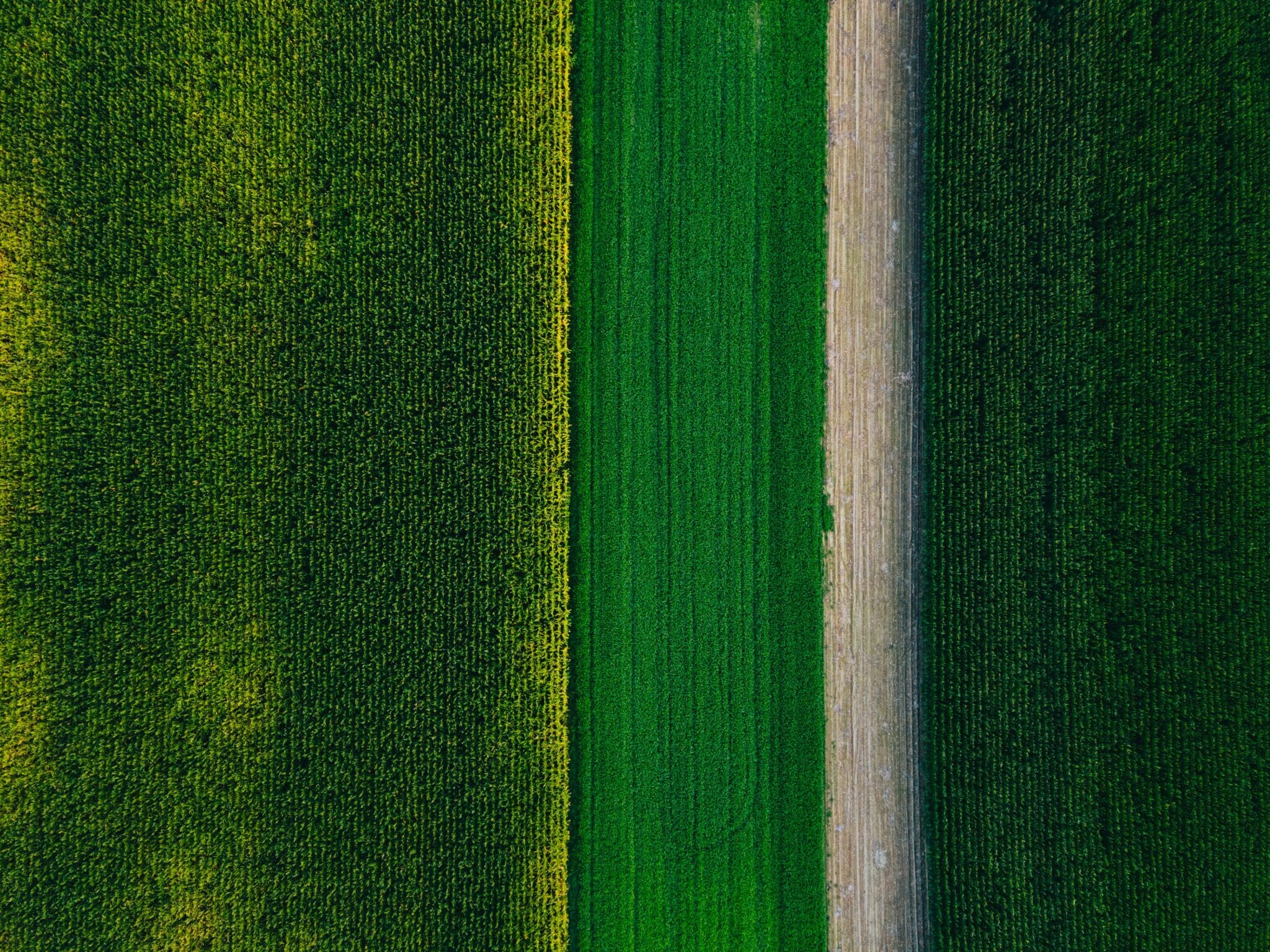
Cereals are a primary ingredient in a huge amount of foods, including, but certainly not limited to, your favorite breakfast-in-a-bowl. Botanically speaking, a cereal is a member of the grass family, Poaceae, cultivated for their dry, edible fruits, or cereal grains. They are a cornerstone in global food- it is estimated that 50% or more of the world’s caloric intake comes from direct cereal grain consumption. When indirect consumption of meat, dairy, and eggs is considered, much of which is possible only via cereal based animal feeds, it is clear that a significant majority the global food supply relies on cereals. There’s no question that without them, humanity could not be where it is today, nor hope to feed itself in the future.
Most members of the cereal club have thousands of years of agricultural service under their belts. Nearly every civilization over the centuries relied on cereals of one type or another, from Mesoamerican maize to Chinese millet and rice. In the modern era, cereal production has kept up with and even outpaced population growth. During the Green Revolution, a period of agricultural reform during the mid twentieth century, cereal production rose perhaps 250%, with only a minimal increases in land use. This spectacular transformation was acheived through new technologies such as new higher yielding hybrids, pesticides, fertilizers, and irrigation.
But perhaps there is still work to be done for cereal crops. The Green Revolution likely prevented starvation for millions, but critics of the current methods point out the environmental damage done by synthetic pesticides and fertilizers, and call into question the quality and nutrition of the newer varieties of grains. Increasingly, cleaner and safer standards are sought out, such as organic certification, which prohibits the use of synthetics. Heritage and ancient grains like spelt and einkorn are prized for their flavor and unique benefits, such as easier digestibility.
While we work towards further improvements in agricultural stewardship, the exciting thing is that we do have so many great options available to us now. It’s never been easier to get access to the right cereal for you, whether you are prioritizing baking better bread, minimizing gluten, getting the best nutrition possible, or a little of everything. Here’s a few things to look for when purchasing your next staple grain:
- Organic. Here is the states, USDA certification ensures that no synthetic sprays were used on the crop.
- Local. Global trade has given us great access to a variety of products, but buying closer to the source means less shipping, and often better quality.
- Whole Grain. One of the biggest reason cereals have gotten a bad reputation in recent years is because most cereal-based foods in our diet has been stripped of the nutrients that are in the grain all along. Eat the WHOLE kernel 🙂
- Variety. Part of the priviledge of the global market is the choices it provides! Diversity in diet usually is more nutritious as well. Try heritage grains, swap farro for rice, make homemade porridge. The culinary options are endless!
- Sprouted. The germination process boosts vitamin levels, breaks down some of the gluten, and transforms some of the starches into vegetable sugars, making the grain more nutritous and easier to digest.